Cameras and lenses are an investment, and like any other investment, it's wise to protect them. The very last thing you want when you're out shooting to your heart's content is to have your camera slip from your hand. And if you're trekking around searching for your next great photo op, you may want the ease of having your hands free. The solution, of course, is a camera strap, and chances are you've already come to this conclusion on your own.
It's tempting, especially after you've put a lot of money into a camera and one or more lenses, to seek out a more affordable camera strap option. One of life's truths is that you get what you pay for, and I have seen less expensive camera straps fail. They usually have detachable plastic clips that are prone to breaking. The overall construction of a less expensive camera strap can render it less reliable and apt to give out without warning. What a nightmare! For what it's worth, my advice is to invest in a higher quality camera strap. When all is said and done, even expensive camera straps aren't that costly, and when you consider what could happen if your strap fails, it just makes sense to make sure you're getting something that will do its job well.
My favorite camera straps come from Peak Design. By the way, I'm not affiliated with them or profiting from saying this in any way. I simply have found their products to be well-made and reliable in the field, and I want to pass on my hard-won experience.
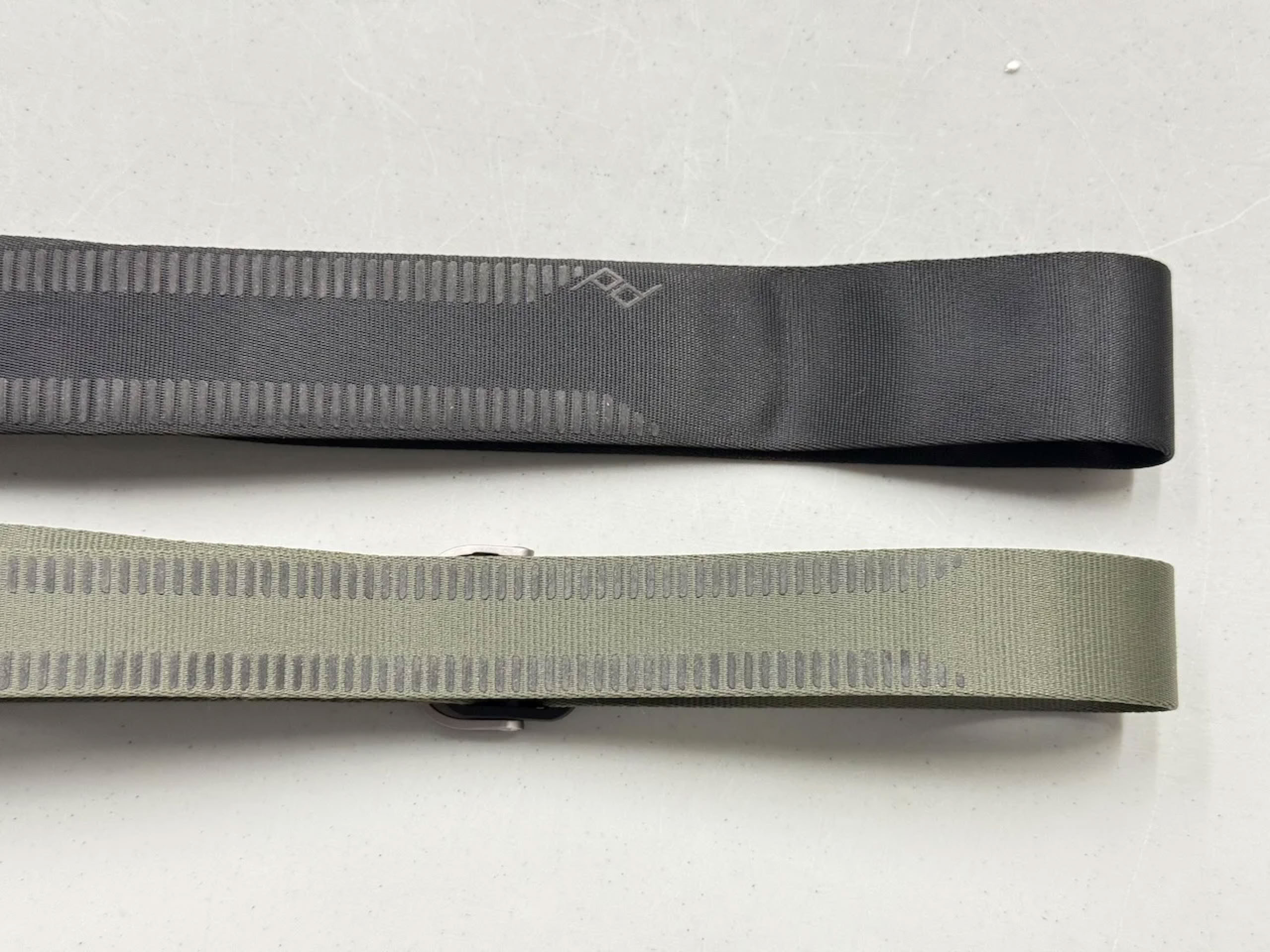
You may wonder what sets a Peak Design camera strap apart from others I've used. For one thing, their designs are very well thought out. I have both the Slide and the Slide Lite — which one you want is based on the weight of your camera equipment. In Africa, for example, when I was using a very large lens for shooting animals in their natural habitat, the thicker strap was the better choice.
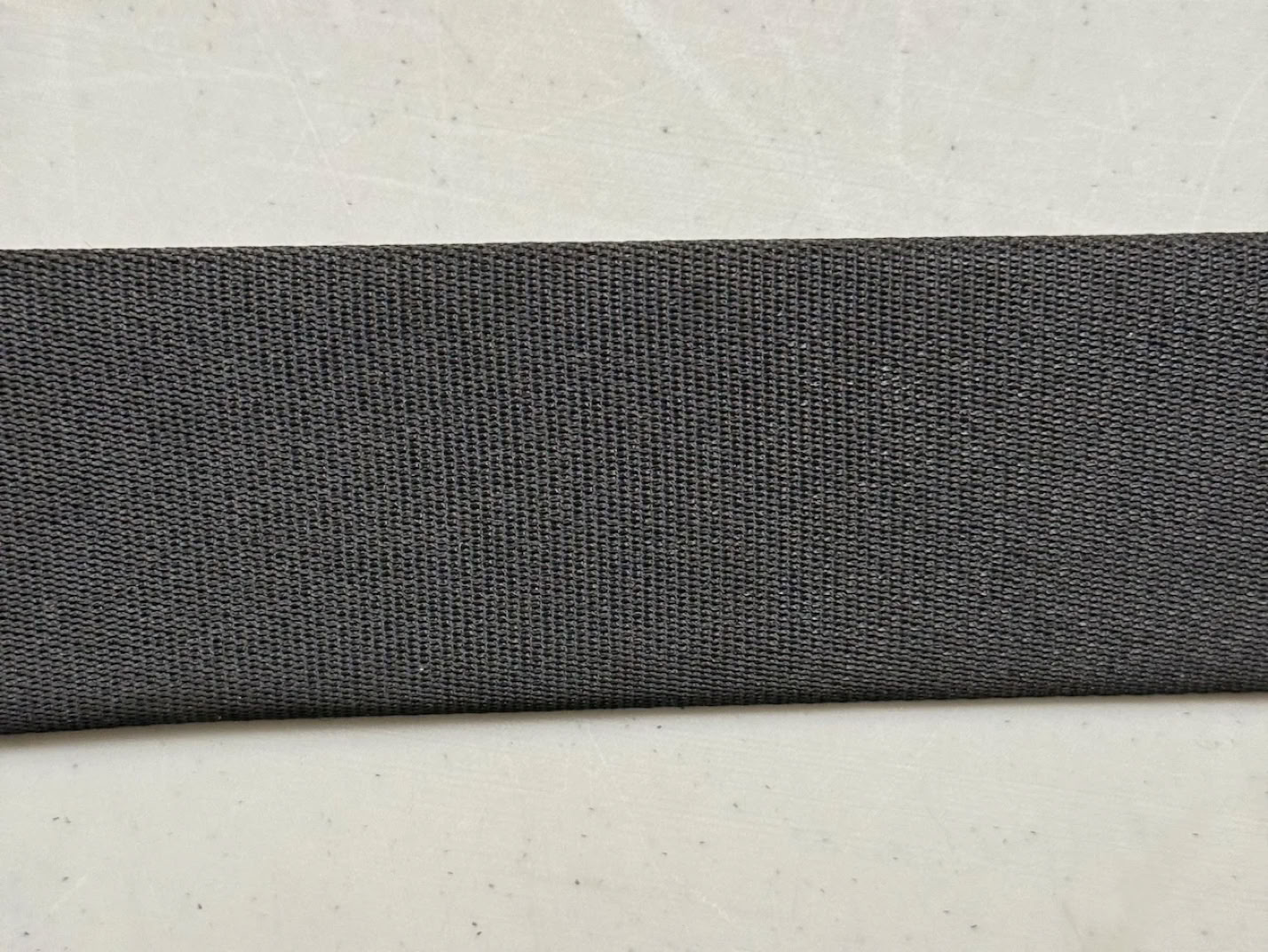
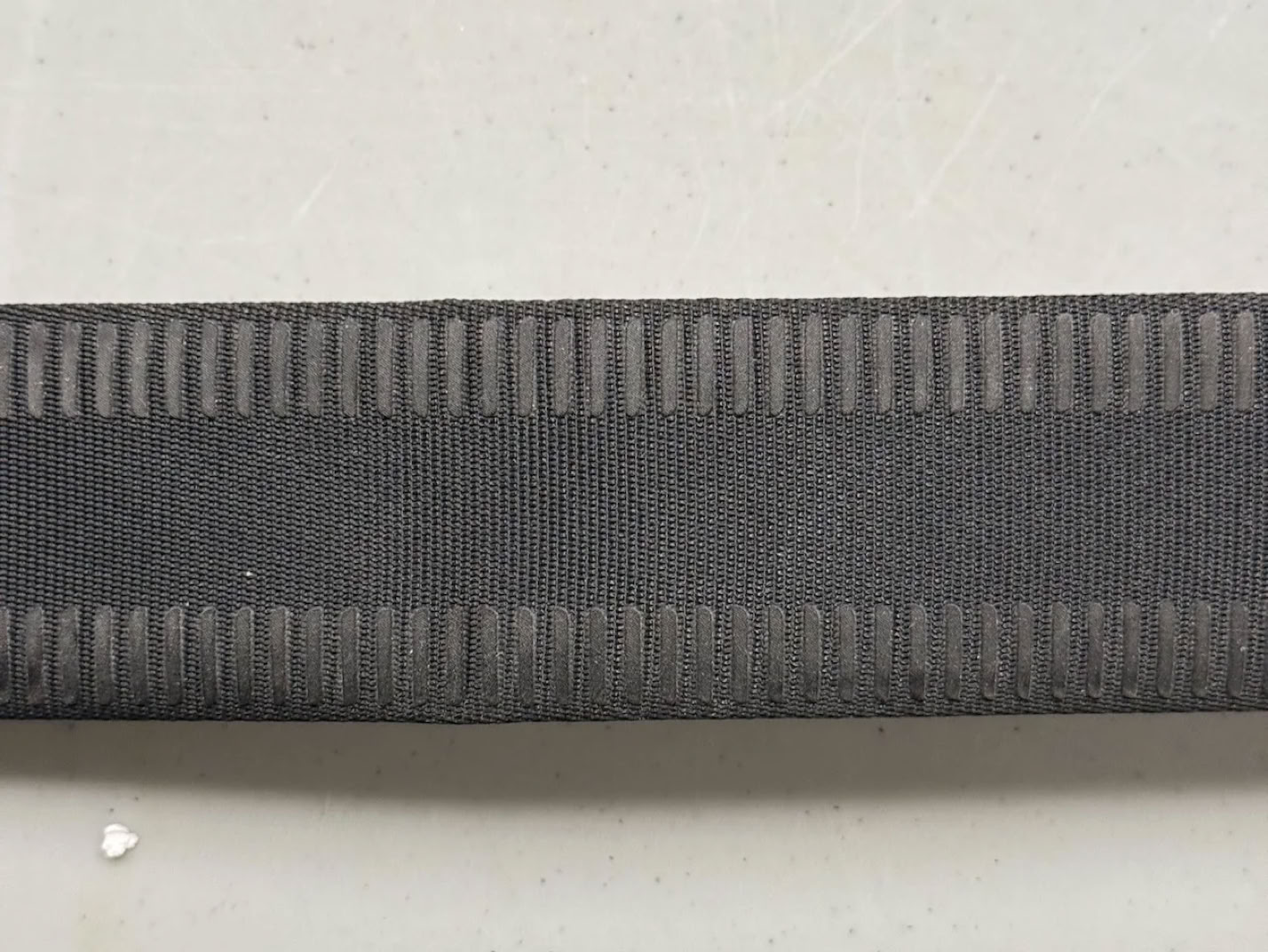
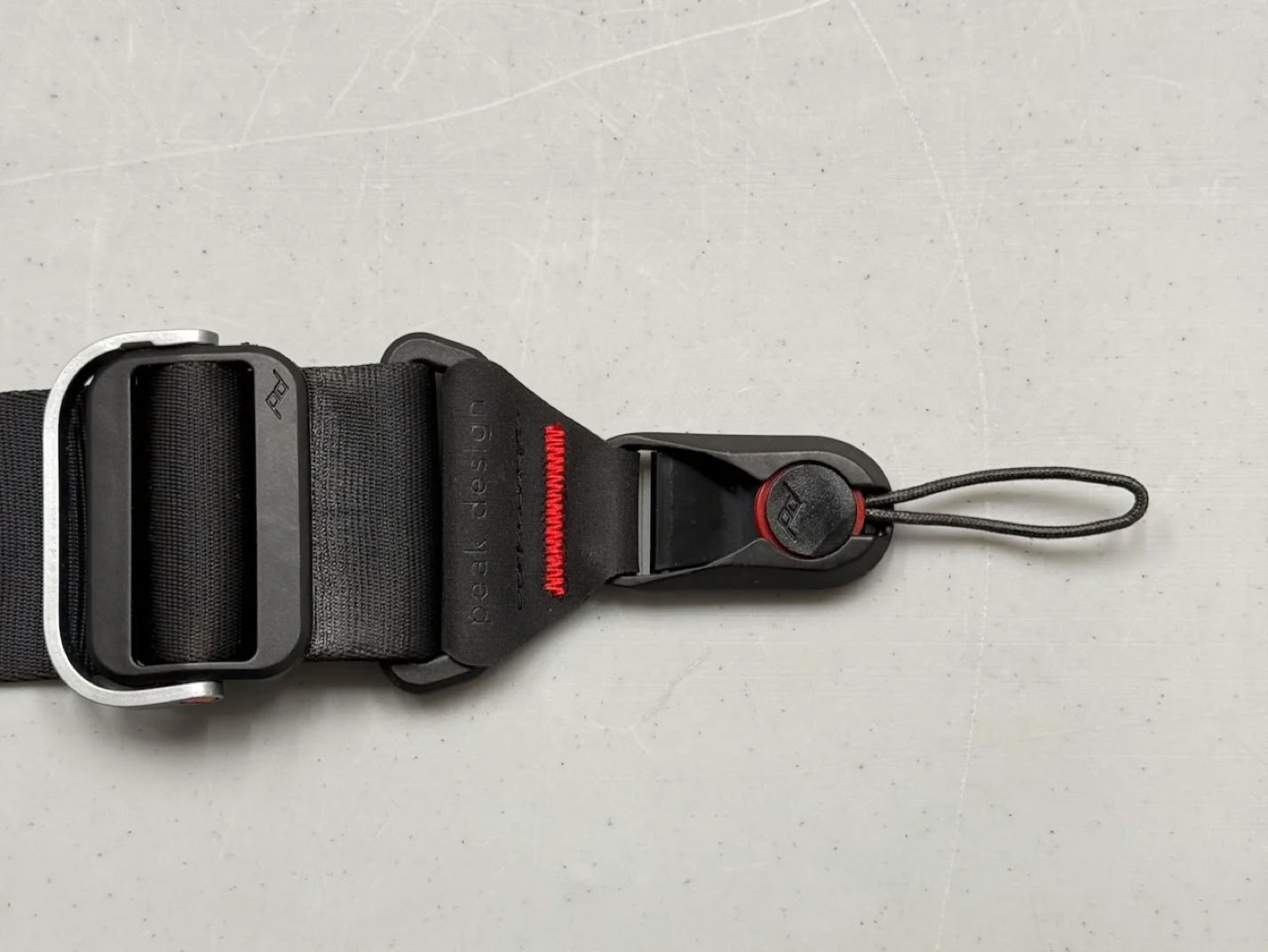
These straps have a smooth nylon side and a rubberized side. The rubberized side will grip onto your clothing and is incredibly helpful in stabilizing your camera, taking some of the weight and effort out of keeping the camera steady. The smooth nylon side will slip easily over your clothing, which makes it ideal if you typically let your camera rest at your side or even slightly behind you when you're not actively shooting. That's what I tend to do, and I can attest to the fact that it makes it easy to bring your camera up to a shooting position quickly. Switching from the slippery side to the clingy side of the strap is a simple matter of flipping the strap, making it quite versatile. The buckle that allows you to adjust the length of the strap is also well-made and operates smoothly, so there's no struggle if you decide you want a little less or a little more slack.
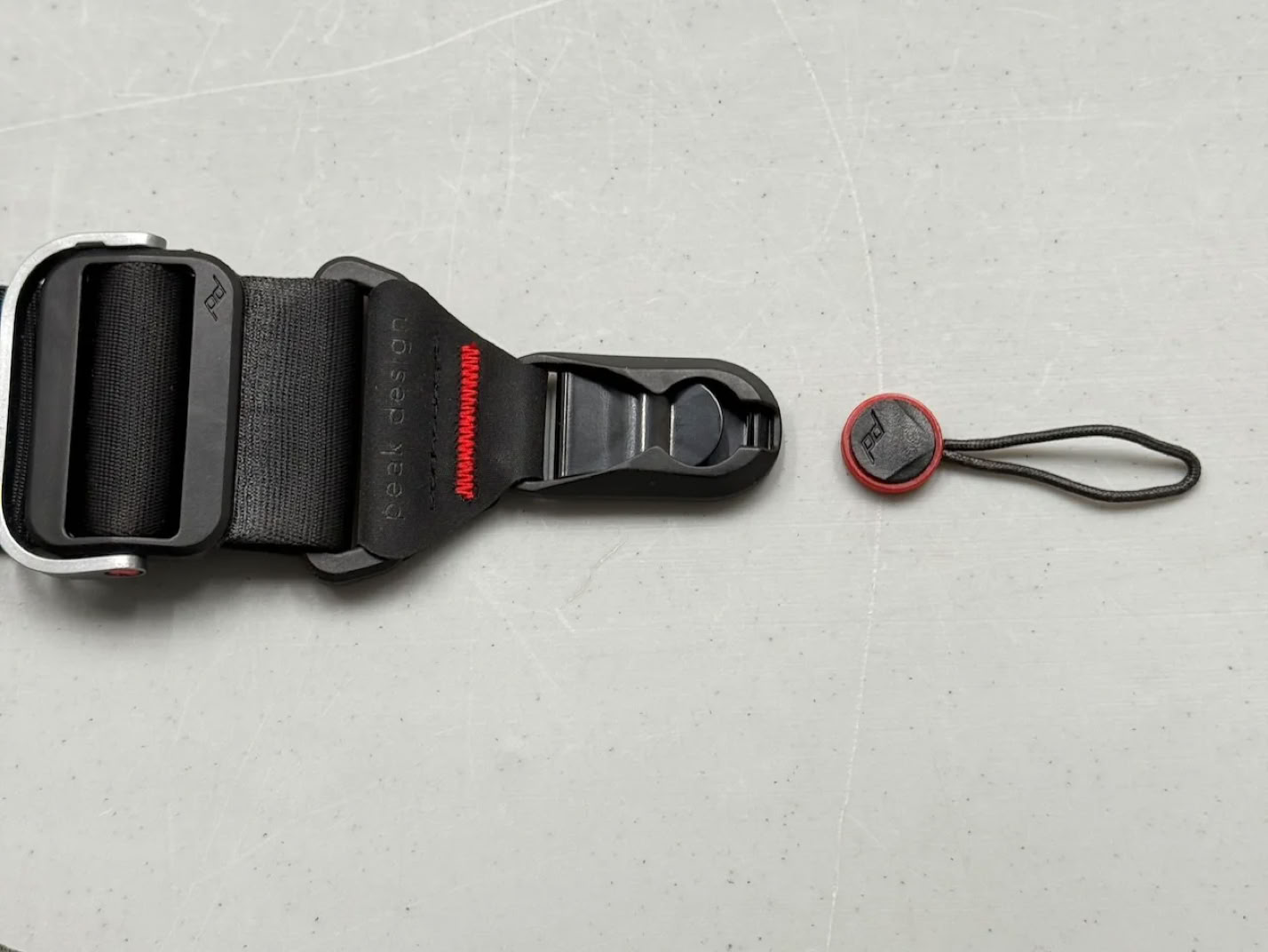
Another thing I appreciate about Peak Design's camera straps is the mechanism by which they attach to the camera. Rather than plastic clips, which can be brittle and flimsy, the Peak Design strap uses this braided cord loop to attach to the camera. The button at the end of the loop then clips into the socket on the strap.
It gives an audible click when it's properly engaged, so you can both hear and feel that your camera is secure. I like that peace of mind. While the loop can be a wear point, Peak Design has thought of that, too. There is a braided cover on the loop, as you can see. It's pretty tough, but there will be friction on it, of course. Under the braided cover, the fibers of the loop are yellow — very easy to see, so you get a clear forewarning that wear has occurred and new loops are needed.
Over the years, I've used lots of different camera straps, including well-regarded brands like Black Rapid and Spider, but my Peak Design straps are the ones I find myself returning to constantly. Bottom line? If you already own a camera strap, that's awesome. Maybe the strap you have is just fine; maybe not. Do inspect it for wear regularly, and be wary of plastic clips. If you don't have a camera strap, or you find that the one you have needs replacing, you won't go wrong by checking out Peak Design's options.
As you can probably tell, I'm always happy to talk about cameras and the gear that goes with them. In fact, we talk about all that and much more in our Photography 1 course. If you find over the summer that you get confused by the buttons and dials when you're slinging your camera (securely strapped, of course), you might consider joining us for Photography 1 in the fall. We'll get you out of auto mode and put you in charge so you'll find it easier to get the photos you've always dreamed of.