As photographers, we typically strive for clear sight. We want sharp details and our subject in focus, so it might sound strange to suggest squinting when you're framing up a shot. The thing is, sometimes when you're absorbed in the details, you can lose sight of the bigger picture. And that can mean that what you think is a great shot won't turn out the way you're hoping.
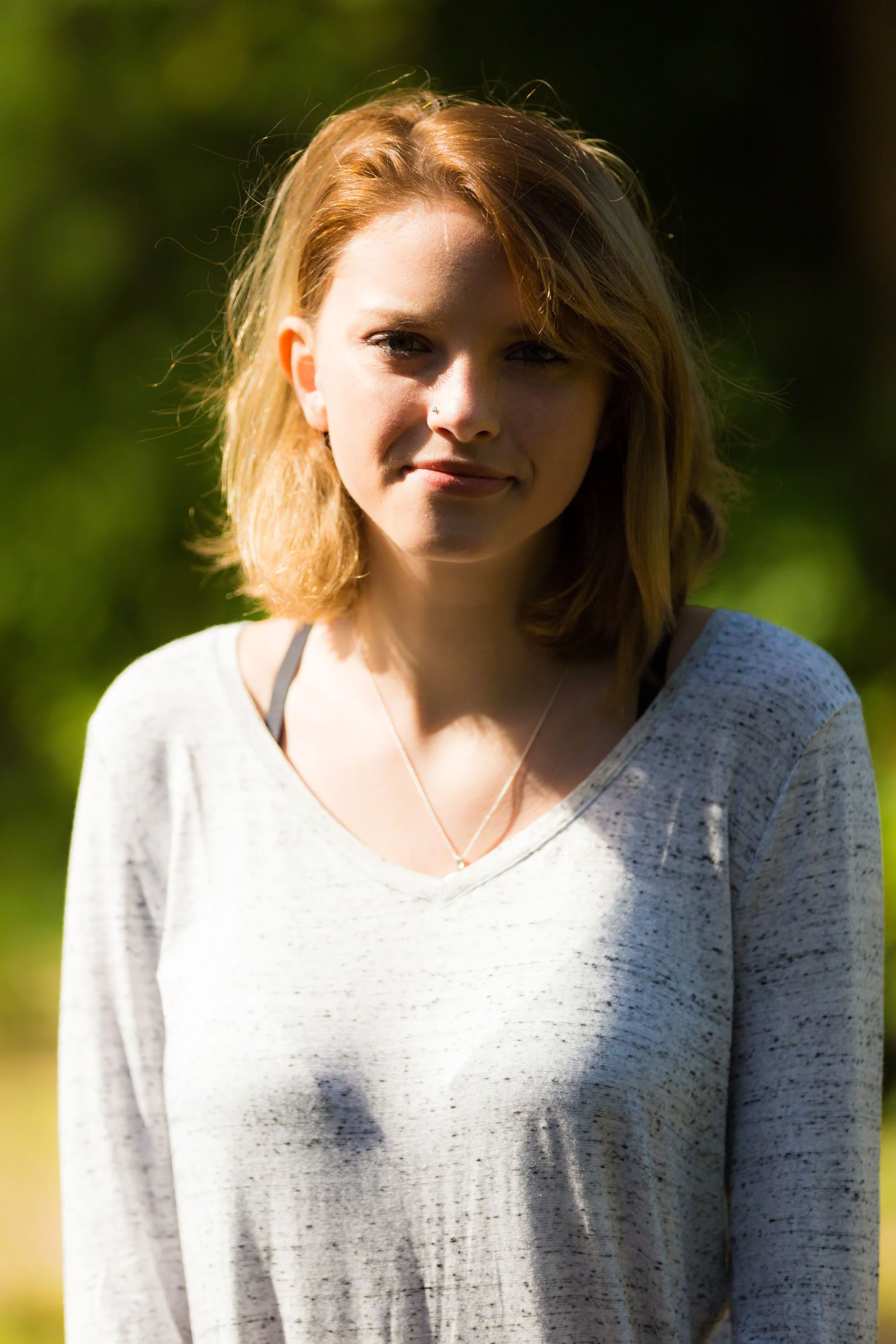
Especially when you're photographing outdoors on a sunny day, what looks good to the eye may not turn out so well on the camera. That's because our eyes are good at adjusting our perception and our brains are good at filling in missing bits. A camera's optical system cannot do that. Dappled sunlight might look pretty, but it's not necessarily a good condition for taking a photograph. It creates areas of very high contrast, as you can see in this first photo.
In addition to that, the direct sunlight produces hard lighting, which makes any shadows even more harsh. Why is that a problem? Well, in this case, the problem is two-fold. For one thing, the shadows obscure the subject's eyes. When you're creating a portrait, one of the things that elevates it from snapshot to work of art is the story it tells -- the connection it creates between the subject and the viewer. When you can't see someone's eyes, you have trouble connecting with them, and so these shadows on the model's face undermine the very purpose of capturing her image in the first place. Secondly, because the shadows are so deep, they steal the show, in a sense, distracting the viewer from the subject entirely.
Now, I grant you, this is an extreme example I've chosen to make a point, but you should also know that in real life, because of the difference between a camera's optics and a human eye that I mentioned above, this scene looked much better in person. If you were a less experienced photographer, or simply not thinking about the lighting conditions too much, you might take this photo expecting great results and end up disappointed.
This is where the squint comes in, and you can try it right now. Back up a bit from your screen and squint. When you do this, you block out some of the details that might catch your attention, and the differences between light areas of the image and dark areas of the image become much more apparent. It works just as well -- maybe even better -- out in the field. If ever you're in doubt about whether your lighting conditions will produce pleasing results, forget about sharp focus for just a second and squint. Those areas of harsh contrast will pop out at you, and you'll know that you need to make some adjustments before you take the photo.
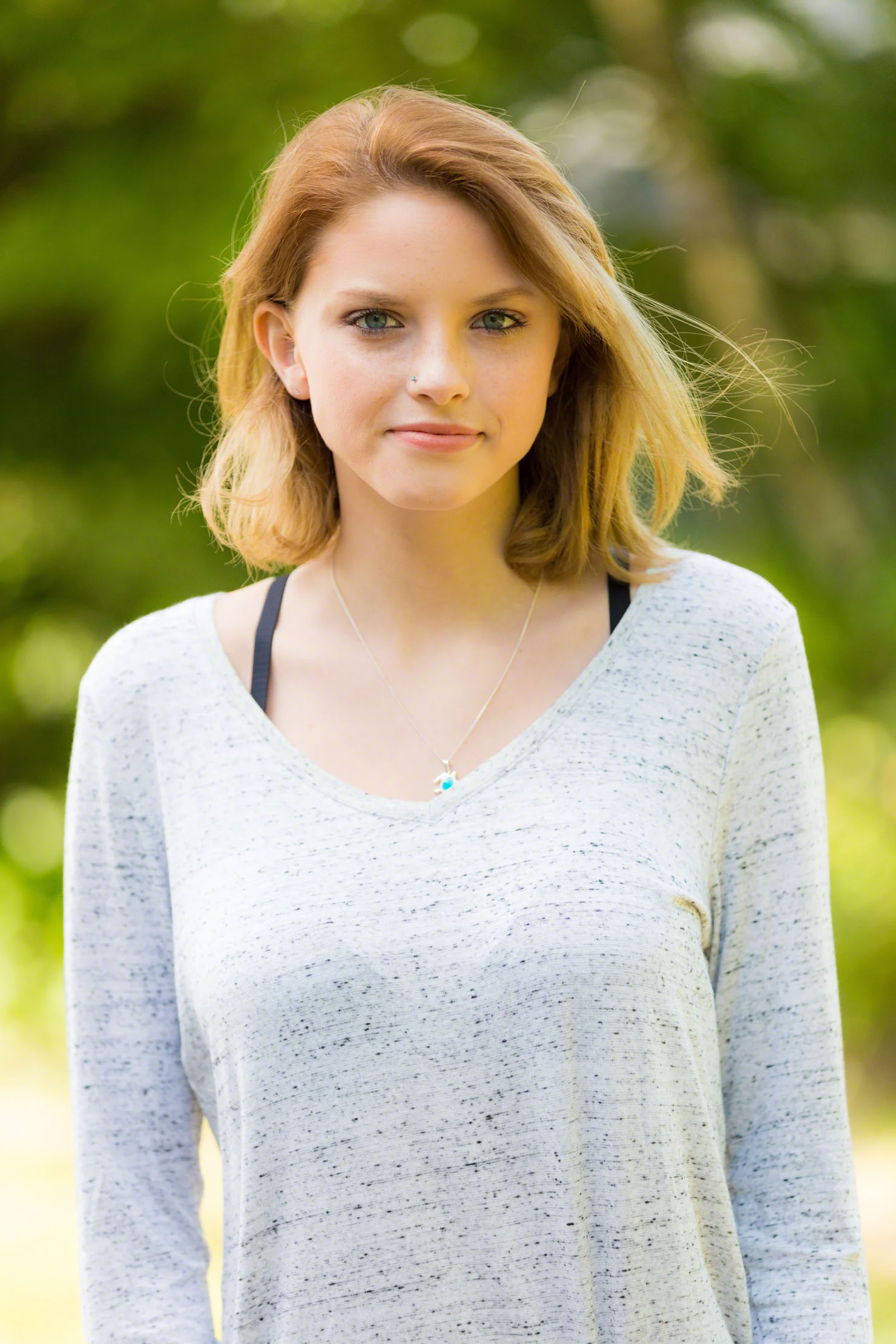
In this case, where the light source is the sun, you obviously can't change its position. So, you can wait until a different time of day, which is not particularly practical, or you can move your subject into the shade. As you can see, this produces soft lighting, which is almost always preferable. The light is more homogeneous. There are still shadows, of course, giving the image some depth, but they aren't harsh. They enhance the lovely subject rather than distracting from her, and they don't obscure her eyes. The viewer is free to connect to the subject, and the portrait becomes a compelling one.
The next time you're out photographing, try squinting as you frame up your shot. Squinting will allow you to see if there are large differences between the dark areas and the light areas of your subject. If there are, you'll know you are not in the right lighting conditions for good results. The more you practice this, the better you'll get at seeing whether a photo will turn out well or not. That saves time in the field, and it saves frustration in the editing process, and that makes it worth bringing your squint with you wherever you go.
And if you’re intrigued by this topic and want to learn a whole lot more about composition and lighting, consider joining us for our next Photography 2 course.