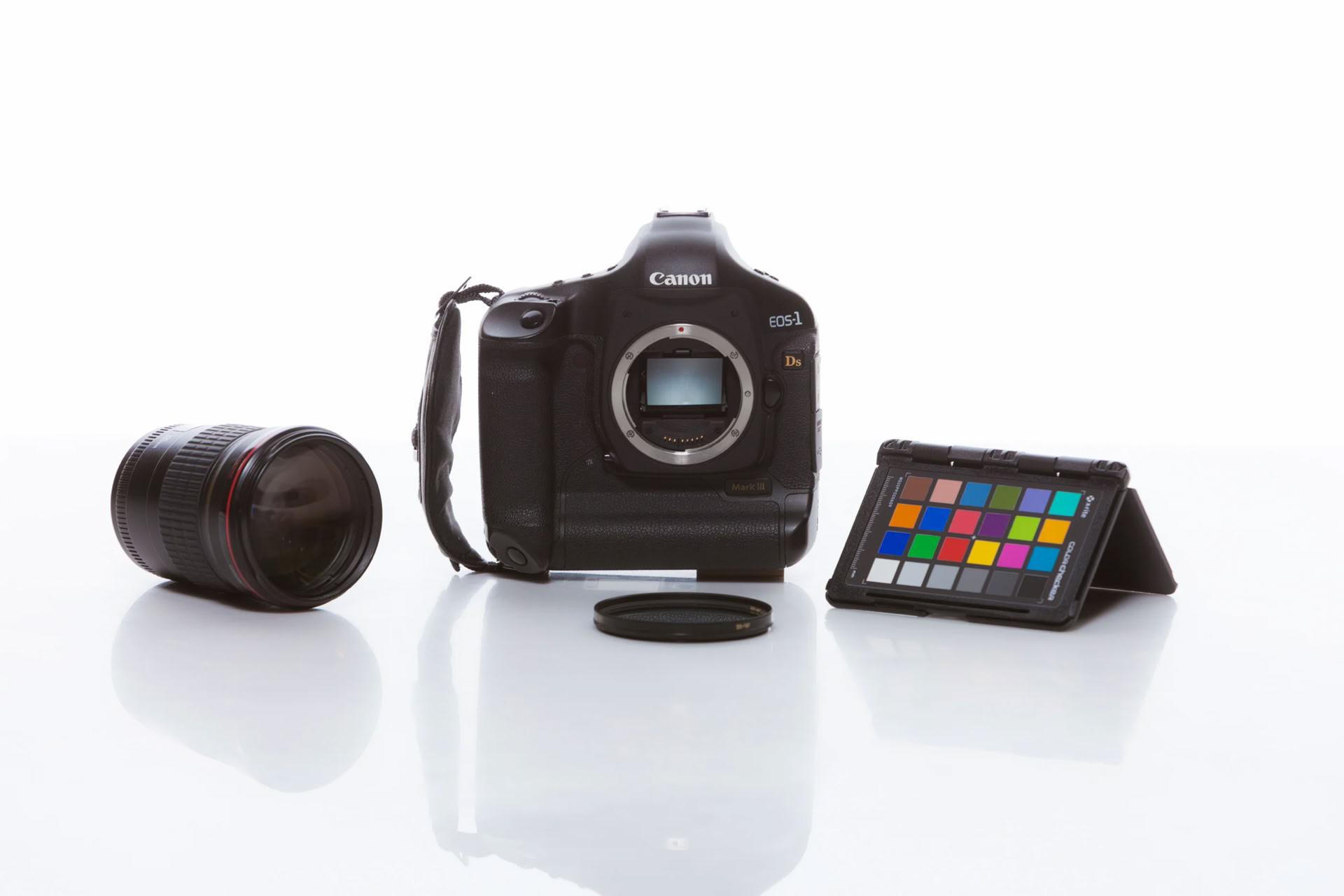
When you go to buy a camera, whether you're browsing online or braving a brick-and-mortar store, you'll likely find that the number of megapixels a camera has features prominently in the sales pitch. The camera industry has figured out that a certain segment of their clientele is enamored of gear and lured by big numbers. It will almost certainly be suggested, if not said outright, that a higher megapixel count is better because the higher the number of megapixels you have, the more detail you can capture. To that, I would say: yes ... but.
The Lens Reality Check
It is true that a higher megapixel camera will mean higher resolution photos. However, the camera is not the only piece of equipment involved when you go out to shoot. You have to think about the lens, too. If you pair a high megapixel camera — and by high, I mean 40 megapixels or more — with a budget lens, all those extra megapixels will mostly be recording the lens flaws rather than the detail in your scene. If you aren't at a place where you can invest in very high-quality lenses, you won't be able to take full advantage of a high megapixel camera.
Small Pixels, Big Problems
Another consideration is that a higher megapixel count means smaller pixels. That just makes sense, right? If the camera isn't larger, but the pixel count is, the pixels have to be smaller to fit in the same amount of space. It's possible this won't matter to you, but it is something to think about if you do any kind of night photography. The larger a pixel is, the more light it can receive, and when you're photographing in very low-light environments, that's important, because the more light the pixels in your camera can receive, the less noise you'll get in your images. In my experience, larger pixels produce truer, more accurate color, too.
The File Size Reality
Finally, you should think about the effect that a high megapixel count might have on file handling when it comes time to store and edit your images. A high megapixel camera produces larger image files, and larger files are more unwieldy to handle. It may sound like a small thing, but when you're in the thick of it trying to sort through a lot of images from a shoot, or you're editing images to create an album you can share, slow load times and laggy response from software can get tedious very quickly.
The Sweet Spot Exists
Now, I'm not saying you should run out and buy a very low megapixel camera, either. That would likely lead to disappointment, and I don't want that for you. My mission in life is to unlock the joy and satisfaction of photography for as many people as I can.
In my opinion, a camera with 22 megapixels, give or take a few, hits the sweet spot between high performance and ease of handling. It's served me well, and if I ever do find that I want higher resolution (i.e., finer detail) in an image than my camera was able to capture, I have editing software plug-ins that can make that happen. Specifically, I've been very pleased with the results I get from Topaz Gigapixel.
The Bottom Line
Ultimately, of course, the choice of camera, lenses, editing software and all the other trappings of photography is yours. Nothing makes me happier, though, than helping others achieve the images they've always dreamed of by sharing what I've learned over decades of practice in the art and science of it all. Good gear is an investment, and I think it's good to know any way you can stretch your budget without sacrificing the quality of your photos. A camera with reasonable resolution paired with quality lenses will outperform a megapixel monster with budget glass every time.
In our classes, I've seen students with modest cameras create stunning work. They understand light. They see compositions others miss. They connect with their subjects. Their images have impact that no amount of megapixels can manufacture. Because in the end, your vision is the most important photography equipment of all. If you’re ready to focus on what matters most, join us for our 6-week Photography 1 course.