When it comes to portrait photography, one of the most impactful decisions you can make is your choice of focal length. While many photographers reach for wide-angle lenses to capture sweeping landscapes, the secret to flattering portraits lies in the opposite direction: longer focal lengths. Understanding why 105mm, 135mm, and even 200mm lenses consistently produce more appealing portraits can transform your people photography.
The Compression Effect: Your Subject's Best Friend
The primary advantage of longer focal lengths is compression, a phenomenon that fundamentally changes how facial features appear. When you photograph someone with a 24mm wide-angle lens up close, the lens exaggerates the features closest to the camera. Noses appear larger, foreheads seem to bulge, and the overall proportions become distorted in unflattering ways.
In contrast, an 105mm or 135mm lens allows you to maintain proper distance while filling the frame with your subject. This distance creates what photographers call "compression," where facial features maintain their natural proportions. The nose doesn't dominate the face, the ears don't appear pushed back, and the overall appearance remains true to how we perceive faces in real life.
Background Separation and Bokeh Quality
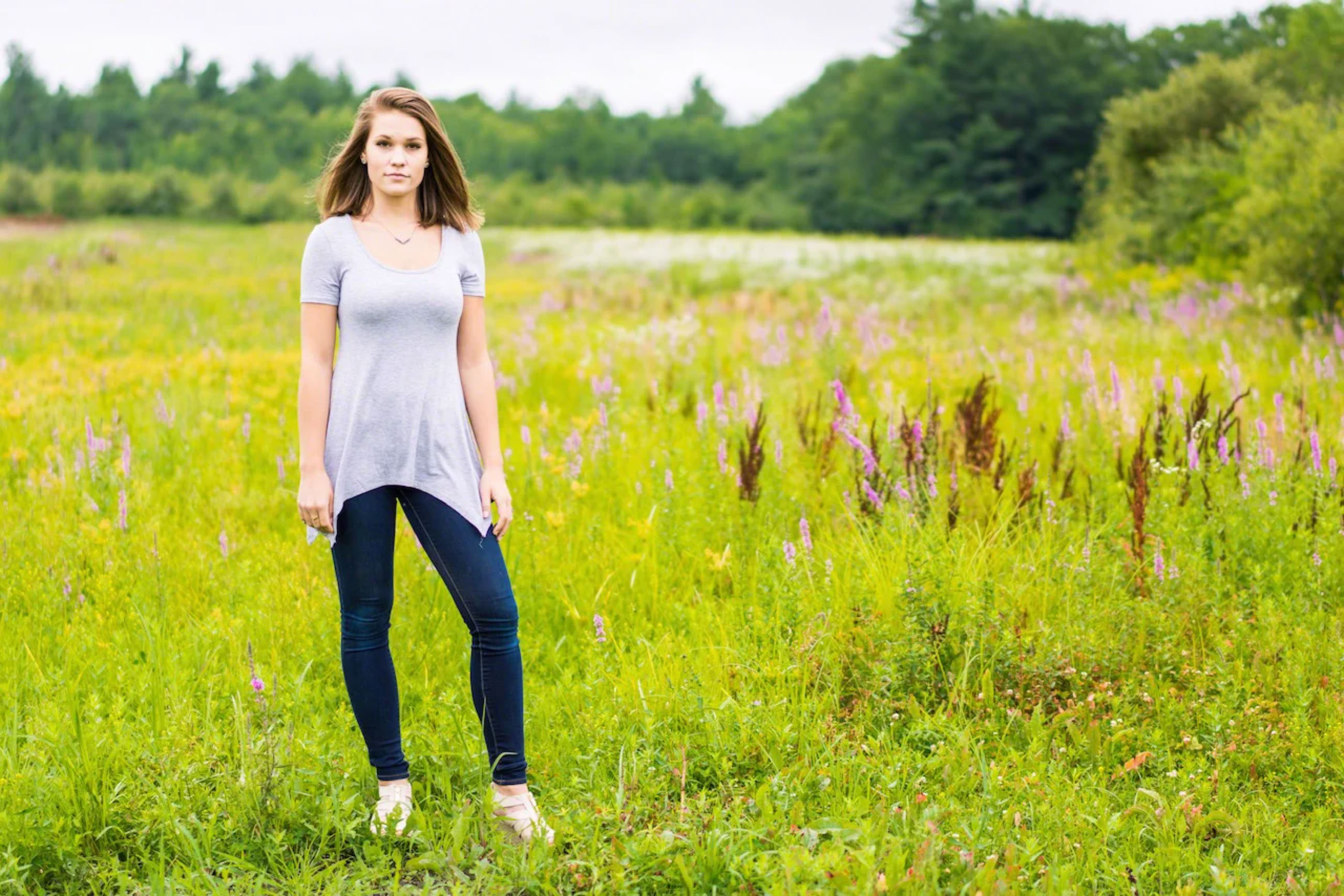
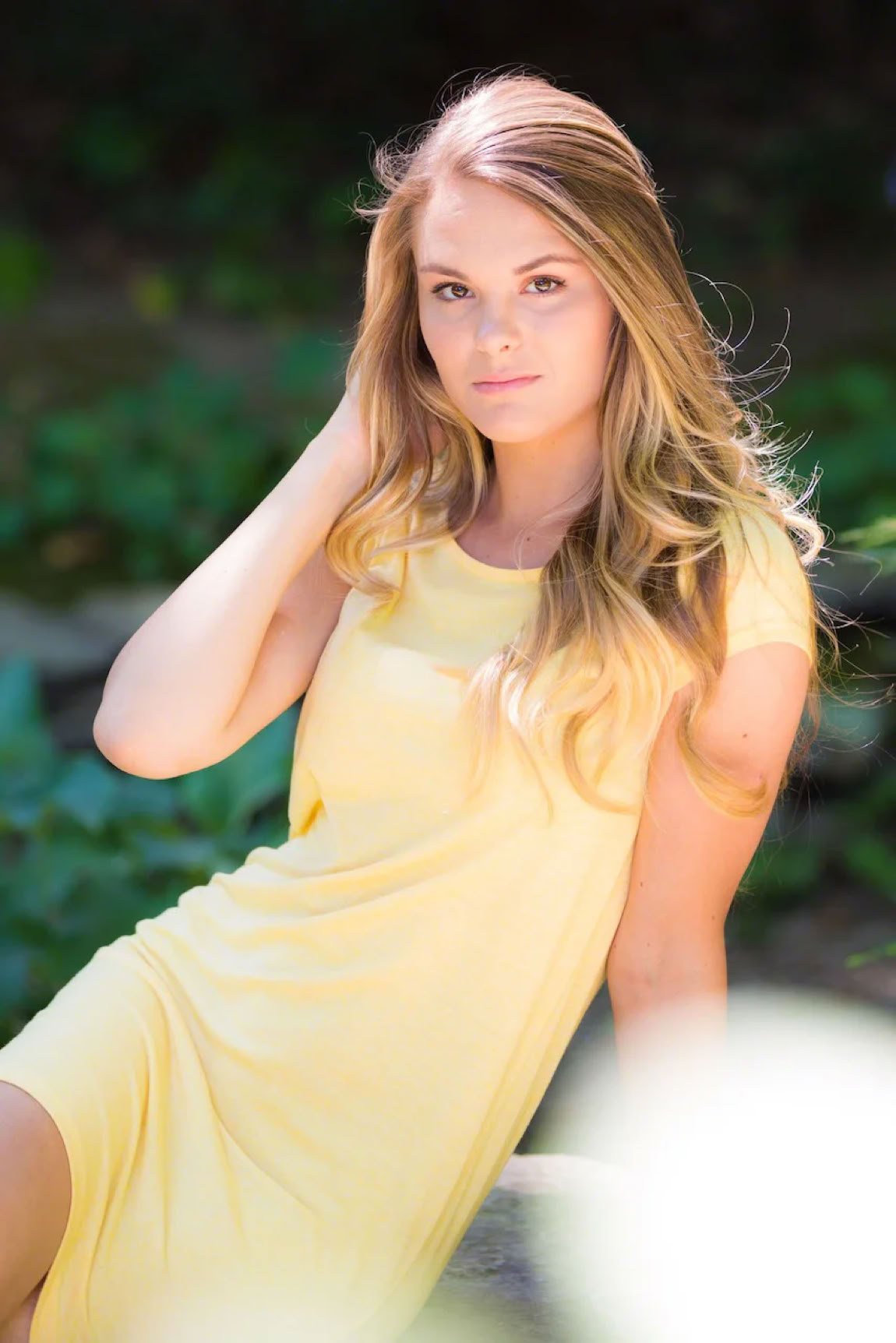
Longer focal lengths excel at separating your subject from the background, a crucial element in professional-looking portraits. The physics of longer lenses naturally create a shallower depth of field at equivalent apertures, making it easier to achieve that coveted blurred background that makes subjects pop from the frame.
This background separation serves two purposes: it eliminates distracting elements that might compete for attention, and it creates a three-dimensional quality that draws the viewer's eye directly to your subject. The smooth, creamy bokeh produced by quality longer lenses adds an ethereal quality that's nearly impossible to achieve with shorter focal lengths.
Working Distance and Subject Comfort
The increased working distance required by longer focal lengths offers unexpected psychological benefits. When photographers work too close with wide-angle lenses, subjects often feel invaded and uncomfortable, leading to tense, unnatural expressions. The comfortable distance provided by a 105mm or 135mm lens allows subjects to relax and behave more naturally.
This working distance also gives you, as the photographer, a better perspective on your subject's overall posture and expression. You can see the bigger picture while still capturing intimate details, leading to more thoughtful composition and better timing for peak expressions.
Lens Distortion and Optical Quality
Wide-angle lenses suffer from inherent distortion, particularly at the edges of the frame. While this can be corrected in post-processing, it's better to avoid the problem altogether. Longer focal lengths typically exhibit minimal distortion, ensuring that facial features and body proportions remain accurate throughout the frame.
Additionally, many longer focal length lenses are designed specifically for portrait work, featuring optical designs optimized for rendering skin tones, capturing fine detail, and producing pleasing bokeh. These specialized portrait lenses often represent the pinnacle of optical engineering within a manufacturer's lineup.
The Classic Portrait Range
The 85mm focal length has earned its reputation as the classic portrait lens for good reason. On a full-frame camera, it provides the perfect balance of compression, working distance, and field of view for head-and-shoulders portraits. Moving to 105mm or 135mm takes these benefits even further, though at the cost of requiring more space to work.
For crop sensor cameras, a 55mm or 85mm lens provides similar field of view characteristics, making them excellent choices for portrait work on these systems.
Practical Considerations
While longer focal lengths offer significant advantages for portraits, they do come with trade-offs. You'll need more physical space to work, which can be limiting in cramped environments. These lenses are also typically larger, heavier, and more expensive than their shorter counterparts.
However, for photographers serious about portrait work, these compromises are worthwhile. The consistently flattering results, superior background separation, and professional appearance of images shot with longer focal lengths make them indispensable tools.
Conclusion
The choice of focal length profoundly impacts the quality and appeal of your portraits. By understanding how compression affects facial proportions, how working distance influences subject comfort, and how optical characteristics contribute to image quality, you can make informed decisions that consistently produce more flattering, professional-looking portraits. While longer focal lengths require investment and space, the superior results they deliver make them essential tools for any serious portrait photographer.
The next time you're preparing for a portrait session, reach for that 105mm or longer lens. Your subjects will thank you, and your portfolio will show the difference. And if you’d like a chance to practice your portrait photography skills, don’t miss our December workshop, the Ins-and-Outs of Portrait Photography.