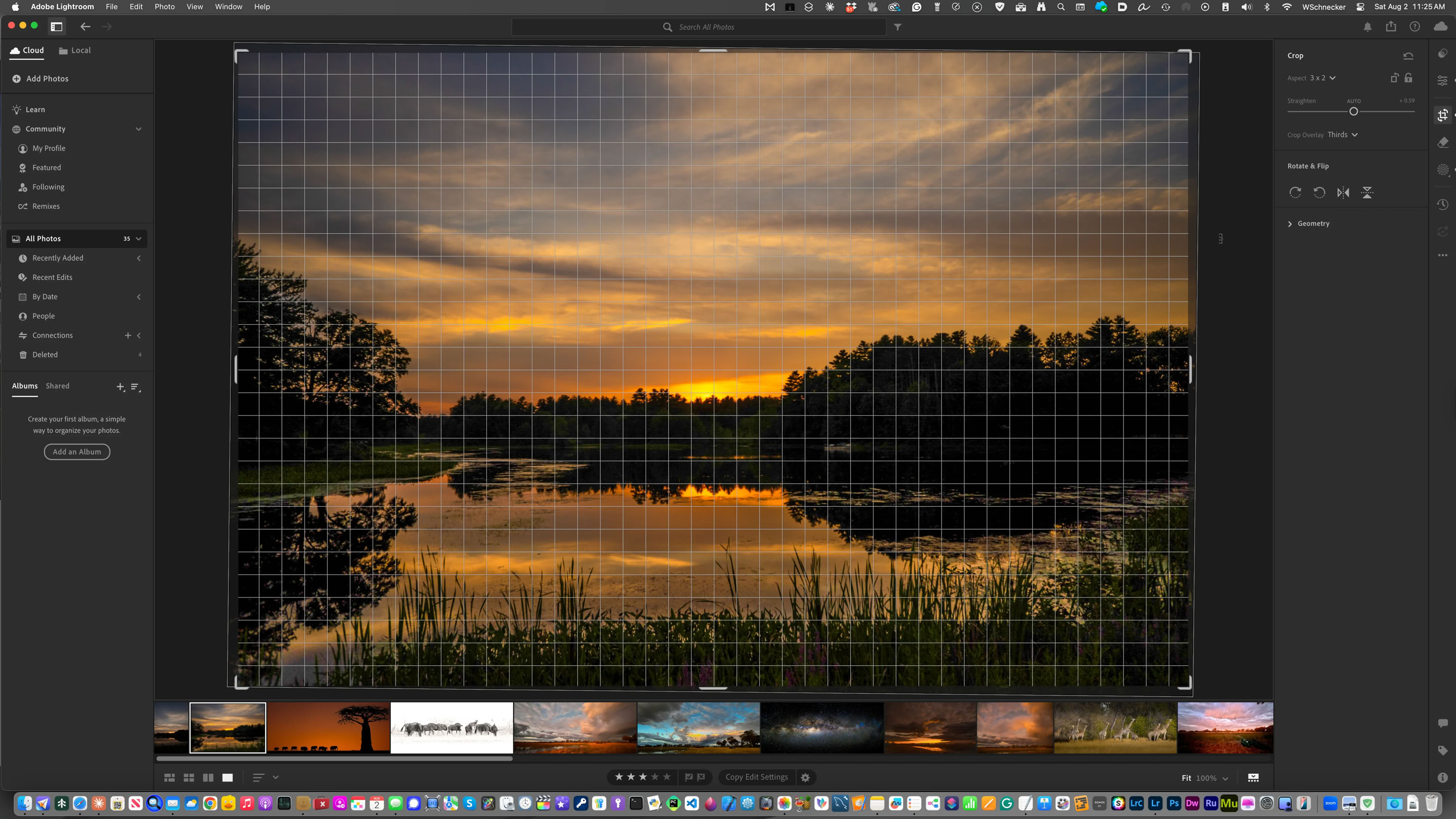
Two of the most fundamental yet often overlooked aspects of photography are cropping and straightening. While capturing the perfect shot in-camera is always the goal, the reality is that most images benefit from thoughtful post-processing adjustments. Mastering the art of cropping and straightening can transform ordinary photographs into compelling compositions that draw viewers in and hold their attention.
The Power of Strategic Cropping
Cropping is far more than simply removing unwanted elements from the edges of your frame. It's a creative tool that can dramatically alter the mood, focus, and impact of your image. When you crop effectively, you're essentially redesigning your composition after the fact, guiding the viewer's eye exactly where you want it to go.
The primary purpose of cropping is to eliminate distractions and strengthen your subject. Every element within your frame should contribute to the overall story or aesthetic you're trying to create. If something doesn't add value, it should be removed. This might mean cutting out busy backgrounds, removing people walking through the edge of your shot, or simply tightening the composition to create more intimate feel.
Understanding Compositional Rules Through Cropping
Cropping provides an excellent opportunity to apply or enhance compositional techniques that you might have missed during the initial capture. The rule of thirds, one of photography's most fundamental principles, can often be achieved or improved through strategic cropping. By positioning your subject's eyes, horizon lines, or key focal points along the intersection of imaginary thirds, you create more dynamic and visually appealing compositions.
Leading lines, another powerful compositional tool, can be enhanced through cropping. You might discover that a slightly tighter crop creates stronger diagonal lines that draw the eye toward your subject, or that removing certain elements allows existing lines to become more prominent and effective.
The Psychology of Aspect Ratios
Different crops create different emotional responses from viewers. A square crop tends to create a sense of stability and balance, making it excellent for portraits and symmetrical compositions. Wide panoramic crops can emphasize vastness and scale, perfect for landscapes or architectural photography. Vertical crops naturally draw the eye upward and can create a sense of height and grandeur.
Understanding how different aspect ratios affect viewer perception allows you to choose crops that reinforce your intended message. A tight, vertical crop of a person might emphasize their stature and presence, while a wide horizontal crop of the same subject might emphasize their environment and context.
The Critical Importance of Straight Horizons
Nothing marks an amateur photograph quite like a tilted horizon. The human eye is naturally drawn to horizontal and vertical lines, and when these appear askew, it creates an unsettling feeling that distracts from your subject matter. This is particularly true for landscapes, seascapes, and architectural photography, where level horizons are essential for professional-looking results.
However, straightening isn't just about horizons. Vertical elements like buildings, trees, and people should appear truly vertical unless you're deliberately creating a dynamic angle for creative effect. Even subtle tilts can be distracting, so developing an eye for truly straight lines is crucial.
Technical Considerations for Straightening
When straightening images, be aware that rotation inevitably results in some image loss along the edges. Most editing software will automatically crop the image to maintain a rectangular frame after rotation, which means you'll lose some pixels along the borders. For this reason, it's always better to get your lines straight in-camera when possible.
If you know you'll need to straighten an image, try to leave extra space around your subject during capture. This breathing room allows you to make necessary adjustments without compromising your composition. Modern cameras often include electronic levels or grid overlays that can help you achieve straight shots right from the start.
Tools and Techniques for Effective Cropping
Most photo editing software provides sophisticated cropping tools that go beyond simple rectangular selections. Look for features like overlay guides that show rule of thirds lines, golden ratio spirals, or diagonal guides. These visual aids can help you make more informed cropping decisions.
Many programs also offer constrained aspect ratios, allowing you to crop to specific proportions like 4:5 for Instagram, 16:9 for widescreen displays, or traditional print ratios like 8:10. Understanding your final output destination can help inform your cropping choices.
When to Break the Rules
While straight horizons and thoughtful cropping are generally important, rules in photography are meant to be broken creatively. Sometimes a slightly tilted horizon can add energy and movement to an otherwise static composition. Dutch angles, where the camera is deliberately tilted, can create dramatic tension and visual interest when used purposefully.
The key is understanding the difference between intentional creative choices and accidental mistakes. When you break compositional rules, do so with clear artistic intent rather than by accident.
It’s Basic … But It’s Not
Mastering cropping and straightening might seem like basic skills, but their impact on your final images cannot be overstated. These fundamental post-processing techniques can rescue poorly composed shots, enhance strong compositions, and help you develop a more critical eye for what makes images work visually. By understanding how different crops affect emotional response and ensuring your lines are straight and intentional, you'll find that even your older images can be given new life through thoughtful editing.
Remember that great photography often happens as much in post-processing as it does behind the camera. Embrace these tools as creative opportunities rather than just corrective measures, and watch your images transform from good captures to compelling photographs. If you want to get started with photo editing but feel overwhelmed by all the options and tools in your editing software, consider joining us for Photo Editing Light. In this course, you’ll learn how a few simple edits — cropping among them — can make photographic magic.