
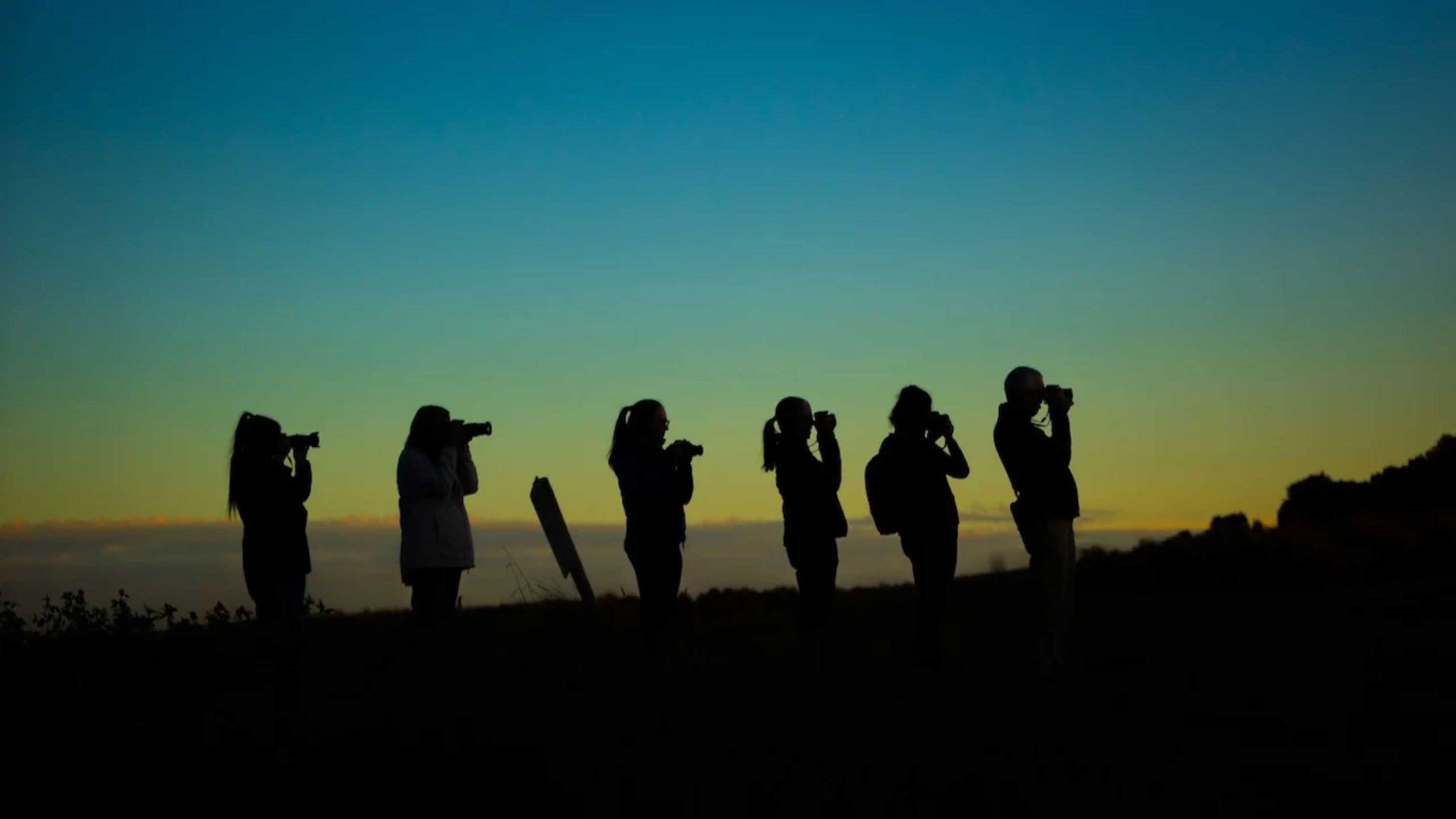
I have to tell you something, and you're not going to hear this from the camera blogs or the YouTube channels or the guy at the camera store.
You're going to hear the truth.
I've been teaching photography for over twenty years. More than two thousand students have sat in my classroom, and I can tell you with absolute certainty that the question I get asked more than any other, more than "what's aperture," more than "why are my photos fuzzy," more than "is my camera broken," is this one:
"What camera should I buy?"
If I had a nickel for every time I've heard it, I could buy a camera. A nice one. And I get why people ask. Walk into a camera store or open Amazon and you're staring down a wall of options, each one promising to change your life in ways that sound suspiciously identical. Sony. Nikon. Canon. Fuji. Full frame. Crop sensor. Mirrorless. DSLR. Twenty-seven megapixels or forty-five. Image stabilization. Eye tracking. Computational photography. AI scene recognition.
It's a lot.
And here's where I want you to stay with me, because this is the part nobody talks about.
The camera industry has a dirty little secret. They don't actually want you to understand what you're buying. A confused customer is a customer who buys based on specs they can't evaluate, reviews they can't verify, and features they'll never use. That confusion isn't an accident. It's the business model.
So let me cut through it.
Right now, the entire camera world is buzzing about mirrorless. Every reviewer, every blog, every tech channel is telling you mirrorless is the future. And they're not wrong. Mirrorless cameras perform. They're compact. They shoot gorgeous video. If you want to make movies, short films, or serious video content, mirrorless is the way to go. No argument from me.
But.
And this is a big "but."
Nobody is telling you what comes with that performance. A mirrorless camera ships with a manual that can run over a thousand pages. I'm not exaggerating. Some of them ship with manuals so thick they don't even bother printing them anymore. They just hand you a link and wish you luck.
Think about that for a moment.
A thousand pages of menus, sub-menus, custom function banks, programmable buttons, video codecs, color profiles, autofocus algorithms, and settings nested inside settings inside other settings. All packed into a body that's smaller than the DSLR it replaced, which means the buttons are smaller too, and there are fewer of them, so more functions get buried in software menus you'll need a map to find.
The camera is more compact. The learning curve is not.
Now. I'm not saying mirrorless cameras are bad. They are remarkable machines. What I am saying is that if all you want to do is take beautiful photographs of your kids, your grandkids, your garden, your vacations, your life, you do not need a thousand-page manual and six months of study to get there.
I've shot with all three of the big manufacturers. Sony, Nikon, Canon. All of them make capable cameras. But after two decades of putting cameras into people's hands and watching what happens next, I keep coming back to Canon.
Here's why.
Every camera has a learning curve. Every single one. Add a feature, add a thing to learn. That's unavoidable. But of the big three, Canon is the only manufacturer that seems to have genuinely tried to make their menus make sense. The settings are where you'd expect them. The language is closer to plain English. The logic follows something resembling human logic.
I find that worth more than most people realize.
Because here's what I've watched happen, hundreds of times: someone buys a beautiful new camera, gets it home, turns it on, opens the menu, and hits a wall of incomprehensible options. The excitement drains out of their face. They flip it to Auto. And the camera goes on a shelf.
And if you already own a Nikon, or a Sony (I have one too), or a Pentax, that does not make you a bad person. It makes you a person with a camera. Canon is my recommendation for people starting fresh. But any SLR from any major manufacturer will take beautiful photographs once you understand how to talk to it. The camera isn't the problem. The missing conversation is.
That's not a photography problem. That's a design problem. And Canon handles it better than the others.
Before you buy anything, do yourself a favor. Go somewhere you can hold the camera in your hands.
I'm serious. This matters more than megapixels.
Cameras have weight. Some feel solid and reassuring. Some feel like a brick after twenty minutes around your neck. And the lenses can be heavier than the camera itself, which nobody mentions until you're hiking with one and your shoulder is filing a complaint.
Size matters too, and not the way the marketing suggests. Those compact mirrorless bodies that look so sleek in the ads? If you have big hands, the grip can feel like you're trying to hold a bar of soap. I have fingers like bratwursts. Some of those smaller bodies, I can barely find the buttons without pressing two at once. A camera that fights your hands is a camera you'll stop picking up.
So if you can, go to a camera store. Or borrow a friend's. Hold it. Wrap your fingers around the grip. Bring it up to your eye. Feel the weight of the lens hanging off the front. Does it feel like something you want to carry for an afternoon? Or does it feel like homework?
That feeling in your hands will tell you more than any spec sheet ever will.
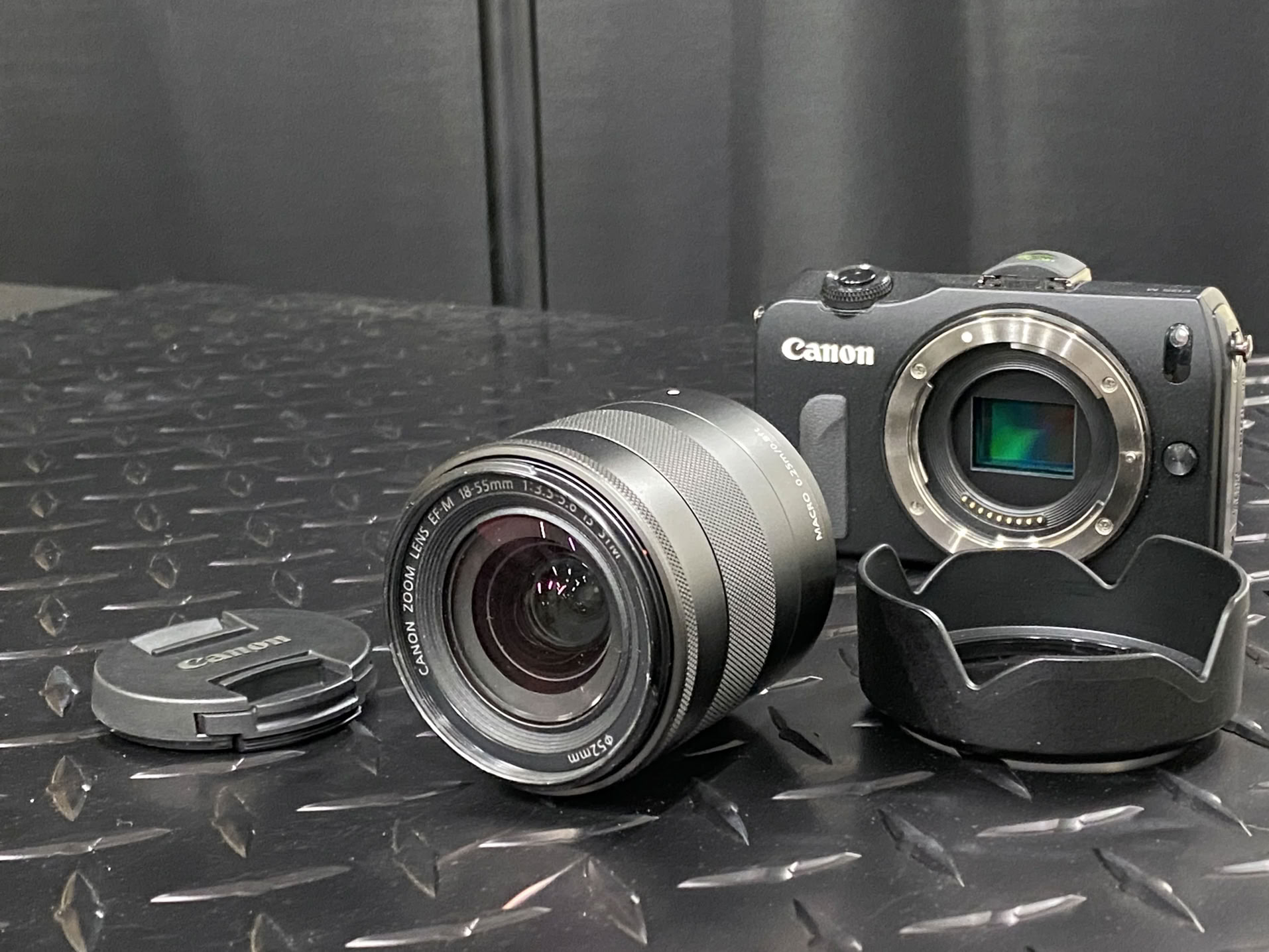
Here's the part I love, the part that made me want to write this down.
While the entire industry is sprinting toward mirrorless, something wonderful has happened to DSLRs. They've gotten cheaper. Significantly cheaper. The technology in a modern DSLR is extraordinary. Five years ago, these cameras were top of the line. The sensors haven't gotten worse. The optics haven't gotten worse. The only thing that changed is that the marketing department decided you need something newer.
A Canon Rebel is a spectacular place to start. It has every feature you need to take stunning photographs. The image quality is superb. The controls are intuitive. The lens ecosystem is enormous, which means you can grow with it for years. And the price point has come down to a place where you're not taking out a second mortgage to start a hobby.
I've watched students walk into my classroom with Canon Rebels and walk out taking photographs that made them cry. Not because the camera was expensive. Because they finally understood how to use it.
This is where it gets really interesting.
Remember what I said about DSLRs getting cheaper because the industry moved on? That same wave created a flood of barely-used DSLRs on the secondhand market. Cameras that someone bought, shot with for a year, and then traded in when the mirrorless bug bit them. These cameras have tens of thousands of shutter actuations left in them. They are, by any reasonable measure, practically new.
The catch is where you buy.
I tell my students to stay away from random marketplace sellers. You don't know how a camera was stored, whether it was dropped, whether the sensor has damage you won't see until your first golden-hour shoot comes back with a mysterious smudge in every frame. That's a heartbreak you don't need.
Buy from a reputable dealer. KEH.com is the one I point people to. They've been in the used camera business for decades. They inspect, grade, and guarantee everything they sell. Their rating system is honest. When they say "Excellent," they mean it. When they say "Bargain," they tell you exactly what's worn. No surprises.
A used Canon Rebel in excellent condition from KEH will cost you a fraction of a new mirrorless body. And the photos it takes will be indistinguishable.
I find that astonishing. The same image quality. A fraction of the price. And a learning curve that doesn't require a semester of night school to get over.
If you want to shoot video, go mirrorless. Budget the time to learn it. It will reward you.
If you want to take photographs, a DSLR will do everything you need, do it well, and cost you less. Get a Canon. Get a Rebel. New or used. Spend the money you saved on a good lens and a class where someone shows you what all those buttons actually do.
The camera doesn't take the picture. You do. The best camera in the world is the one you actually pick up and use.
And if yours is still sitting in a bag somewhere because the manual made you want to cry, that's not your fault.
I run a free workshop called Introduction to Digital Photography right here in Amherst, NH. It's two hours on a Saturday morning. Bring your camera. Any camera. I'll show you why Auto mode is holding you back, what your camera is actually capable of, and why the path from "frustrated" to "finally" is shorter than you think.
And when you're ready to go deeper, Photography-1 is a six-week course where we take everything apart, put it back together, and send you out into the world actually knowing what you're doing. No jargon. No judgment. Just the kind of understanding that turns a confusing piece of equipment into a tool that does what you tell it to.
It's time to finally take it out of the bag.
You can find upcoming workshop dates and register at c1mpa.com.
Walter Schnecker, CPP
Unleash your vision, capture your world!